Broken Incentives
by Vineet Ravi Kumar
5 min read • May 02, 2026

India is many things - a fast-growing economy, world's largest democracy, digitally connected, home to over a billion dreams and aspirations.
India GDP
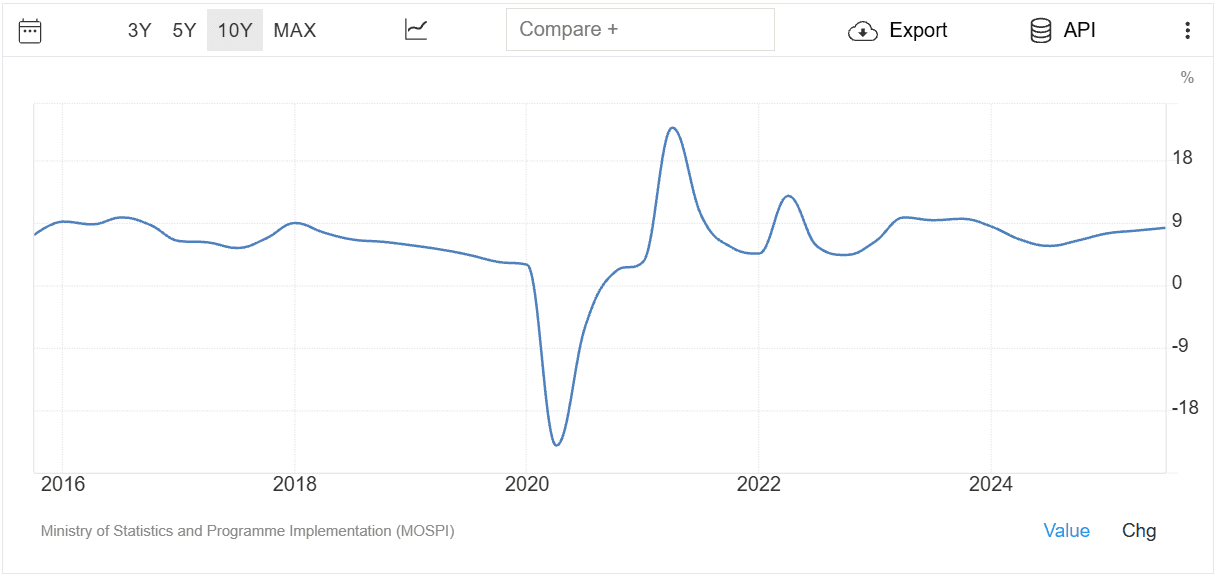
Source: tradingeconomics.com
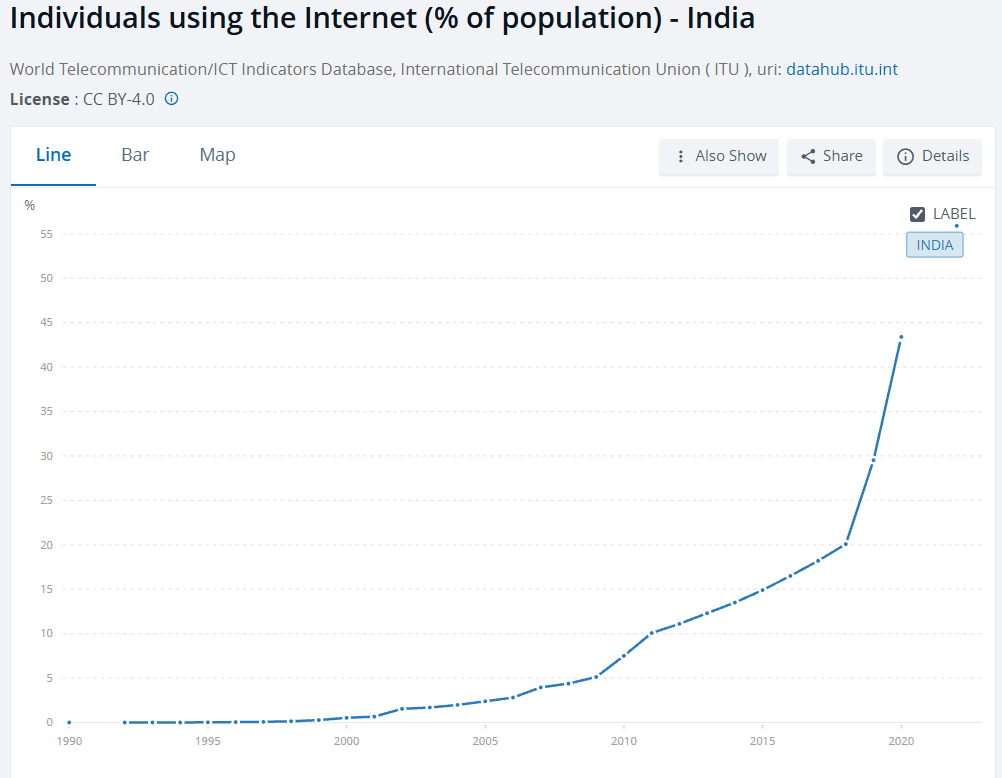
Source: World Bank open data
India is many other things too - a country extremely unequal in terms of wealth, a country with rising bigotry, a country where corruption is ripe and accountability is scarce.
Corruption Perception Index
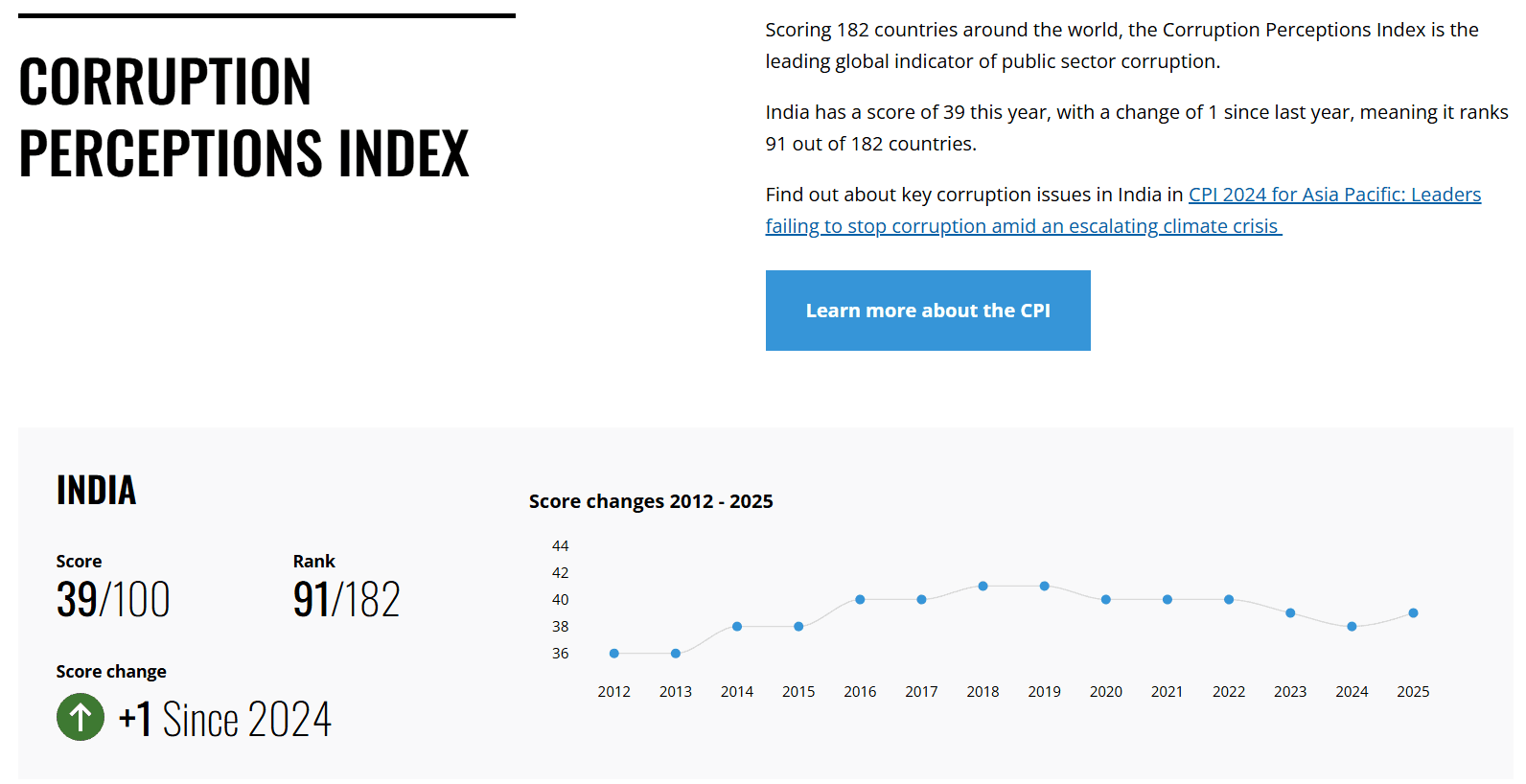
Source: transparency.org
India Voice and Accountability Index
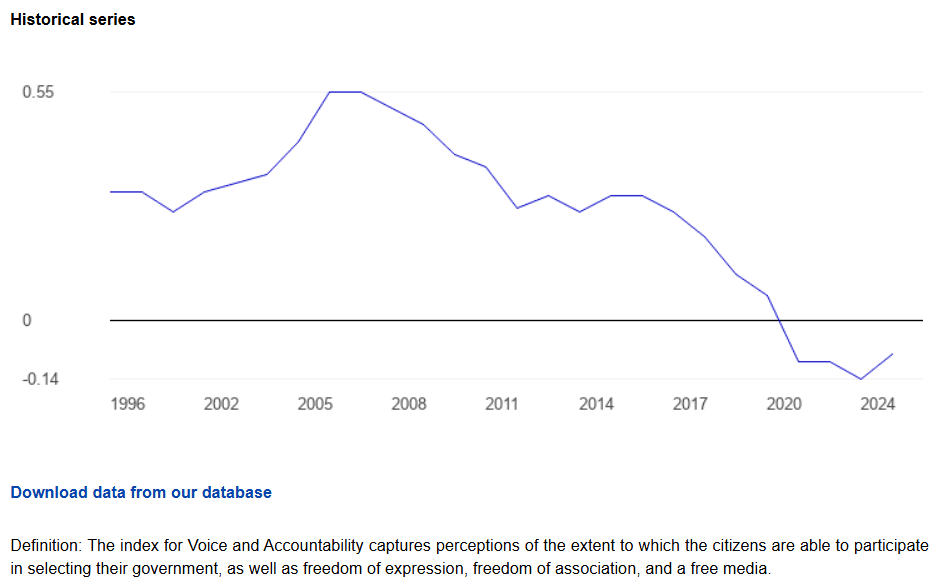
Source: theglobaleconomy.org
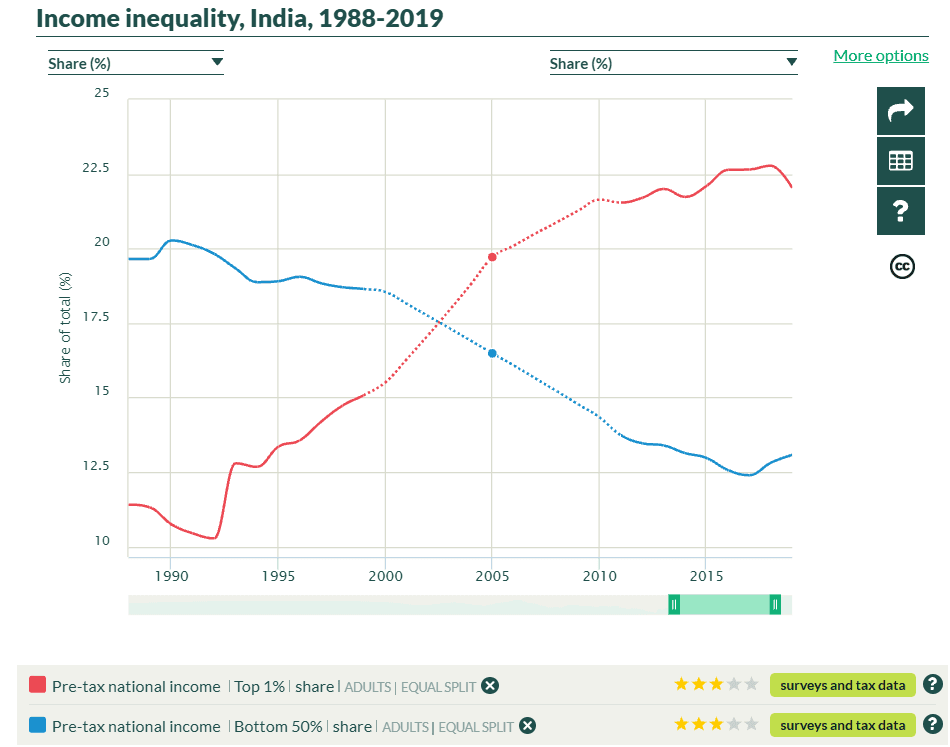
Source: World Inequality Database
And more often than not, if you dig deep enough. You would find that inefficiency, corruption and limitless greed is at the core of most ills in our (potentially) great country.
But surely, you as a citizen should be able to do something about it. Right?
Well, yes and no.
If a citizen is to ask - are there tools that exist to address the issue - yes there are. But if a citizen is to ask - is it ok to use those tools to address these issues - the answer is complicated.
Corruption, for instance, is not always a moral issue. It could also arise from weak institutions and distorted incentives for those in office. You could argue that weak institutions are a product of corrupt officials and greedy businessmen, but they had certain incentives to be greedy and to be corrupt.
Could incentives, then, be the answer to addressing issues so critical at making life better in a country like ours? Maybe.
All humans have wants and needs. A corrupt Mayor, an inefficient tehsildar, a greedy contractor. Figure out the want, figure out the need, and you have figured out the incentive to be leveraged.
And you - an Indian citizen - have powerful incentives to provide or to take away, in case the said parties have made your life worse. Politicians fear losing office and narrative, businessmen have profitability and reputational risks, bureaucrats do not want to lose jobs and/or benefits.
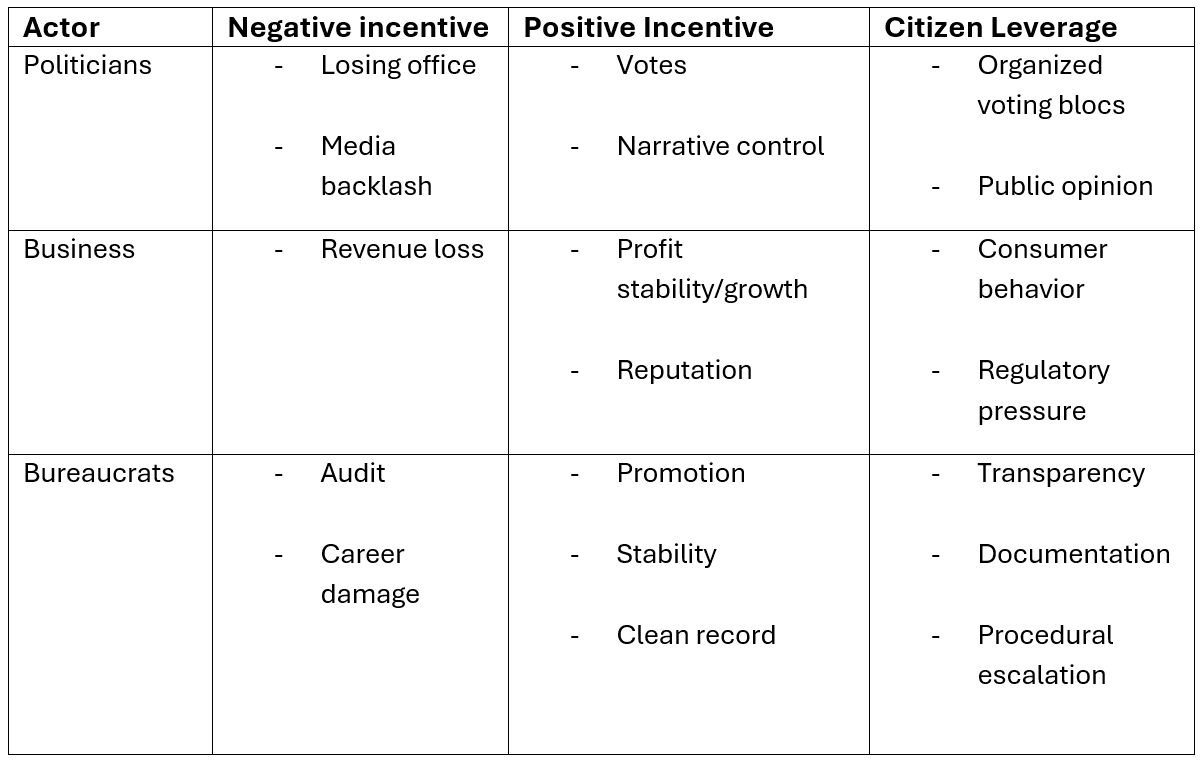
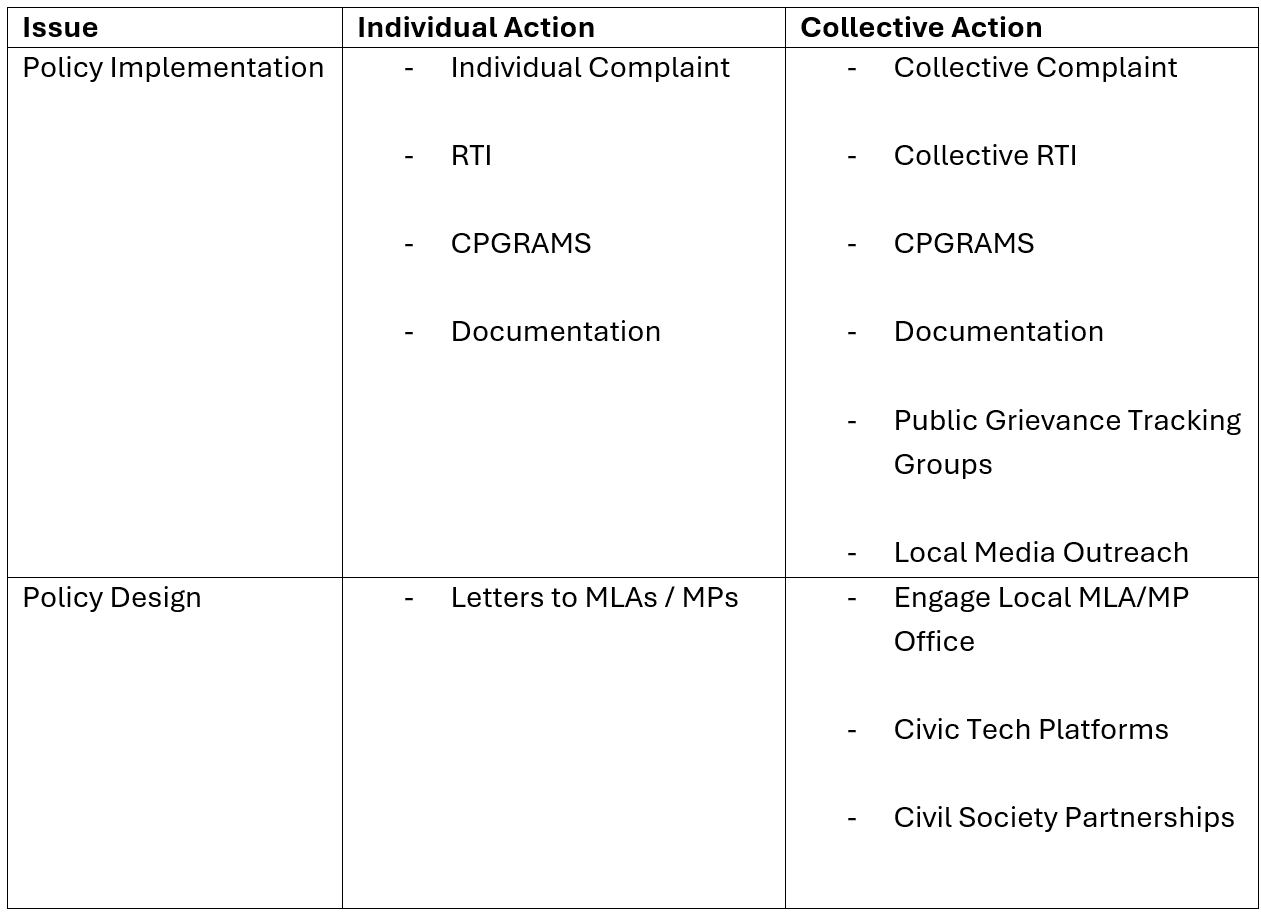
But what you lack maybe is a roadmap to utilize the tools available - to incentivize or disincentivize these players. Another factor is that - to be effective - these actions need to be collective, not individual.
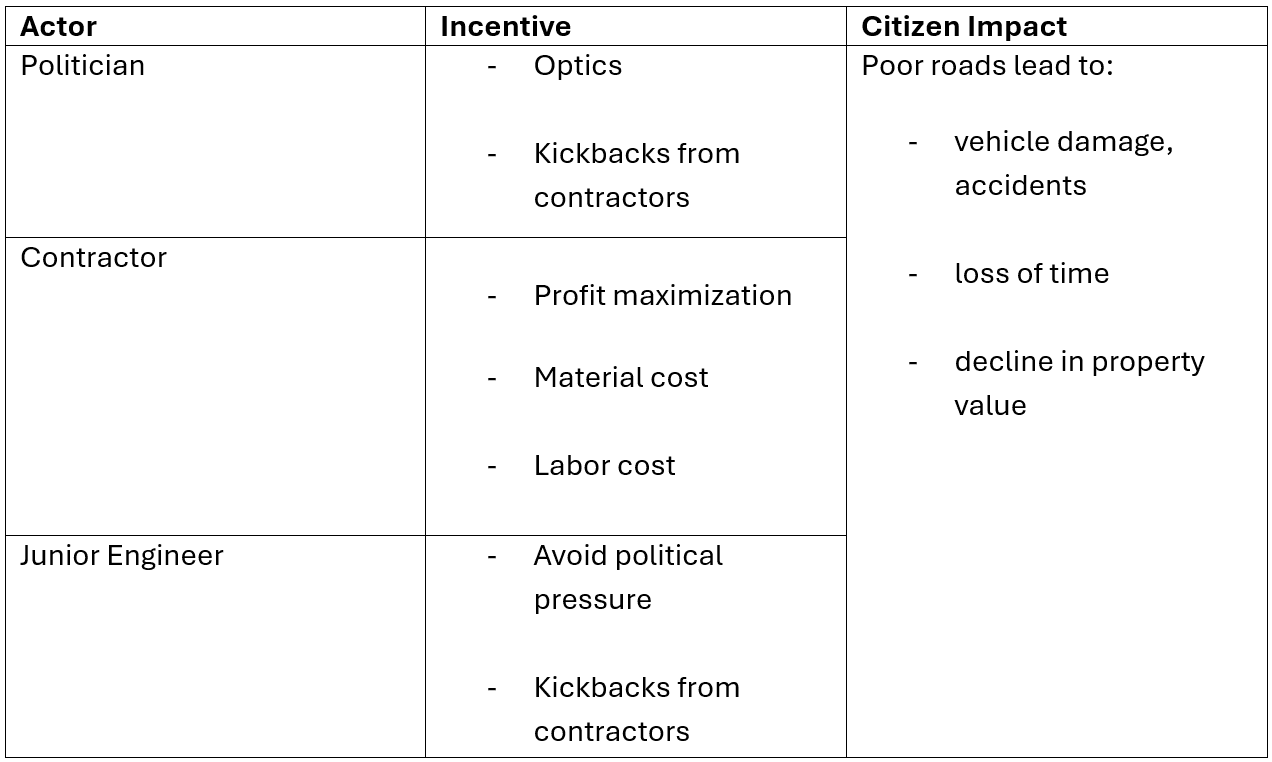
Let's consider the construction of a road. Budget: Rs 3 crore, locality: Semi-urban.
Within one monsoon, potholes appear. Within two, citizens consider trading their cars in for ATVs. Why though?
The issue can be addressed by:
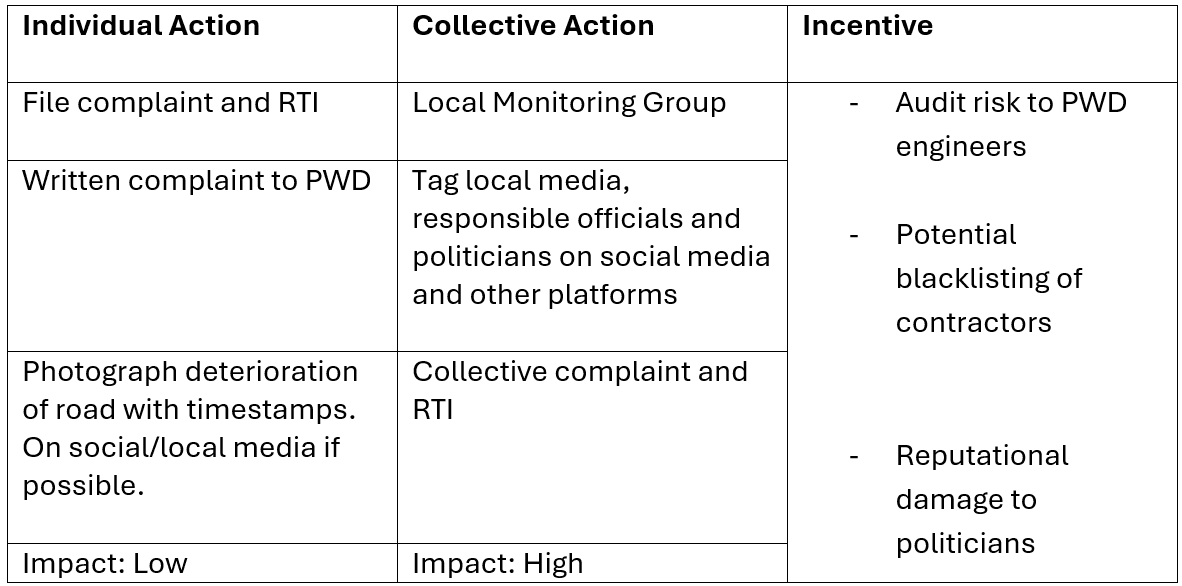
As we sit around, comfortable and protected in our homes. It is very simple to understand. But what is simple in theory, might not be easy in practice.
Why?
For the following few reasons:
1. Learned helplessness: Individuals repeatedly exposed to situations where their actions do not produce meaningful change begin to believe that they lack control over outcomes. Learned helplessness might sound like:
- "Ordinary people like me cannot influence government decisions."
- "People in power will do what they want regardless of public opinion."
- "It is pointless to get involved in political or social issues."
2. Fear of retaliation: Anticipation of personal, social, economic, or physical harm as a consequence of speaking out or challenging authority.
Listen out for statements like:
- "I worry about professional consequences if I take public political positions."
- "Participating in activism could harm my family's security."
- "It is safer to stay neutral in political matters."
3. Social fragmentation: Indian society is divided along lines such as caste, religion, class, language, region, or political identity, reducing collective cohesion and trust.
You might have heard or said:
- "People in my community do not work together on common issues."
- "Most people only care about their own interests."
- "It is hard to find others who share my concerns."
4. Time poverty: Individuals lack discretionary time due to economic survival pressures, long work hours, commuting burdens, and caregiving responsibilities.
- "I am too busy with work or family responsibilities to engage in civic issues."
- "I would participate more if I had more free time."
- "Civic engagement requires more time than I can afford."
5. Cynicism
A belief that political and administrative systems are inherently corrupt or self-serving, and that reform efforts are ultimately futile. A cynic might say:
- "Most politicians are corrupt."
- "Activists are usually driven by personal ambition."
- "Political movements rarely improve things."
I would like to hear from you.
What stops you from engaging in civic action? Is it one of the reasons listed above? Or is it something else?
Let me know by filling in this survey.
About the Author
Vineet is a quintessential jack of all trades. An ex-corporate rat, Vineet is now trained in: bartending, mixology, deep sea diving, and animal flow.
Vineet is also a reader, writer and an avid observer of events with deep interests in economics and psychology.